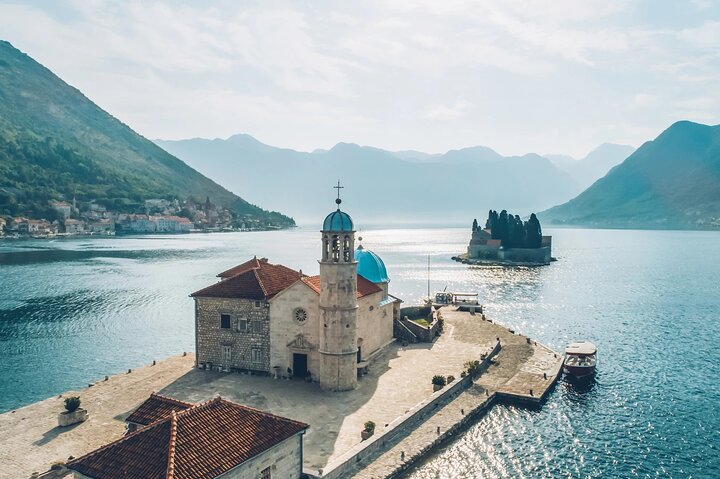
Things to Do in Kotor
Walled, vertical, cat-haunted, and worth every one of the 1,350 steps
Top Things to Do in Kotor
Find activities and tours you'll actually want to do. Book through our partners -- no booking fees.


Plan Your Trip
Essential guides for timing and budgeting
Climate Guide
Best times to visit based on weather and events
View guide →Day Trips
The best excursions and nearby destinations worth the journey
Explore day trips →Where to Stay
Best neighbourhoods, hotel picks, and booking tips
Find hotels →Travel Insurance
What's required, what coverage matters, and how to get a quote
Read guide →What to Pack
Climate-specific gear, essentials, and what to leave at home
See packing list →When Should You Visit Kotor?
Tap a month for weather, crowds, and highlights
View full year-round climate guide →Explore Kotor

Cathedral Of Saint Tryphon
Landmark

Church Of St Luke
Landmark
City Walls And Fortress Of San Giovanni
Landmark
Maritime Museum Of Montenegro
Landmark
Piazza Of Arms Trg Od Oruzja
Landmark
Dobrota
District
Muo
District

Prcanj
District
Skaljari
District

Stari Grad Old Town
District
Your Guide to Kotor
About Kotor
Kotor greets you with noise before you see a thing. The Adriatic slaps limestone quays and the echo ricochets off cliffs so sheer the sun quits at three. Salt and diesel drift from fishing boats heading home to Muo. Slip through the Sea Gate and the scale shrinks. Stari Grad alleys narrow to shoulder width between walls dating from the twelfth century.
Stone shines from centuries of feet, lately from cruise-ship sneakers. That is the town's tension, plain as daylight. By ten the square outside St. Tryphon is jammed. Climb instead. The 1,350 steps to San Giovanni start behind the north wall. Switchbacks bite your calves within minutes. Halfway up, the chapel of Our Lady of Health perches on a ledge.
Most day visitors quit here. Keep going. At the top the Bay of Kotor spreads below, a drowned canyon masquerading as a fjord. Cruise ships shrink to toys on water that mirrors the Orjen massif. Down in the lanes, hundreds of cats sprawl on sills. Locals opened a museum on Trg od Mačaka. Dobrota waterfront, just north, serves grilled branzino and Vranac at prices that make the Italian coast look insane.
Arrive early. Climb high. Stay after the last tender. Kotor turns into another town entirely.
Travel Tips
Transportation: Kotor's Old Town bans cars and you can cross it in fifteen minutes flat. The fun starts outside the walls. Tivat Airport lies ten kilometers south. A taxi to the gate is cheap. Split it or don't bother. Perast or Budva? The local bus runs on its own mysterious clock. Take the Verige car ferry instead. It crosses the bay at its narrow pinch. Skip the hop-on buses. They charge for pausing on a waterfront road. Walk the bay path from Dobrota toward Stoliv. The lane squeezes between stone houses and the water.
Money: Montenegro uses the euro though it is not in the EU. Your math stays simple. ATMs inside the walls add a fee. Walk to a bank machine near TQ Plaza in the new town. Cards work in most restaurants and hotels. Waterfront konoba and market stalls inside Stari Grad want cash only. Tipping is not North American style. Round up or leave a coin. It is enough. Exchange booths by the cruise terminal give the worst rates in town.
Cultural Respect: Montenegro straddles Orthodox and Catholic worlds. Kotor tips Catholic after centuries of Venetian rule. St. Tryphon and the smaller chapels demand covered shoulders and knees. They will turn you away without drama. Outside the churches, dress relaxes. Beachwear in the old town still earns stares. Montenegrins greet with a firm handshake and steady eye. Try the language: dobar dan opens doors. Never lump Montenegro, Croatia, and Serbia together. Locals will lecture you at length.
Food Safety: The bay's seafood leaves the boat at dawn and reaches your plate by lunch. Grilled squid and branzino in Dobrota taste of smoke and salt. Mussels from the farms off Stoliv could not be fresher. Order njeguški steak in any konoba: pork pounded thin, stuffed with Njeguši ham and cheese, grilled until the edges crackle. Drink Vranac from Crmnica, dark with blackberry and warm stone. Tap water is cold and safe straight from the mountains. Skip the restaurants ringing Trg od Oružja. Eat where locals eat, behind St. Mary's Church.
When to Visit
Kotor's best months are May and September, and it's not close. July and August bring temperatures above 30°C (86°F), cruise ships stacked three-deep in the harbor, and an Old Town so packed that walking through Stari Grad feels like a contact sport. Late May catches the bay at its best. Warm enough to swim. Light lingers past eight. The fortress climb is bearable without midsummer heat radiating off the stone steps.
June is the shoulder sweet spot. Temperatures settle around 25-28°C (77-82°F), the water has warmed enough for the rocky coves along the Dobrota waterfront, and hotel rates sit noticeably below their July peak. Restaurants along the bay still have open tables at dinner without a reservation. The light on the water in the early evening turns the kind of copper-gold that photographers plan entire trips around.
July and August are when Kotor earns its reputation for crowds. Temperatures push past 32°C (90°F), the cruise terminal operates at full capacity with multiple ships daily, and accommodation rates climb to their annual high. The trade-off is water temperature: the bay hits a swimmable 25°C (77°F) that it won't reach outside these months.
If summer is your only window, target early mornings for the San Giovanni climb and evenings for the old town, when the day-trippers have retreated to their ships and the stone walls release the stored warmth of the afternoon into air that smells like grilled fish and pine resin.
September and October peel back the crowds while keeping the warmth. September averages around 26°C (79°F), hotel prices tend to drop well below their summer peak, and the Adriatic stays warm enough for swimming through mid-October. The Boka Night festival in late August or early September fills the bay with decorated boats and fireworks reflected off water so flat it doubles the show.
November through March is Kotor's wet season, and this corner of the bay is one of the rainiest in Europe. Expect heavy downpours, in November and December, when the mountains above town disappear behind low cloud for days. But winter has its own draw: the Old Town empties almost completely, the fortress climb is cool and quiet, and accommodation drops to a fraction of summer rates.
The Kotor Winter Carnival in February brings masked processions through Stari Grad that feel medieval in a way the summer tourist season never manages. Flights into Tivat and accommodation both hit their lowest point, making winter the most affordable window by a wide margin for travelers who don't need beach weather.
More Ways to Experience Kotor
Tours, day trips, and local experiences curated by on-the-ground operators.
Didn't see anything interesting yet?
Browse Viator's full catalog of tours, day trips, food experiences, and private guides in Kotor.
See All Kotor Tours on Viator